



The landscape of weight management has shifted dramatically over the last couple of years. We have moved from a world of “willpower and salads” to a new era of metabolic medicine. If you’ve been keeping an eye on health trends, you know that weight loss injections—specifically GLP-1 receptor agonists—have become the most talked-about development in modern wellness. As a nutritionist, I am frequently asked by clients who have finally found success with these tools: “Can I stay on these forever?”
It’s a loaded question. It touches on biology, finance, psychology, and the very definition of “health.” While I always recommend consulting with your prescribing physician for medical specifics, we can certainly explore the nutritional, physiological, and lifestyle implications of long-term use. To understand the full picture, we must also consider how these medications affect gut health, the immune system, and the digestive tract over the long term.
Understanding the “Chronic Disease” Model
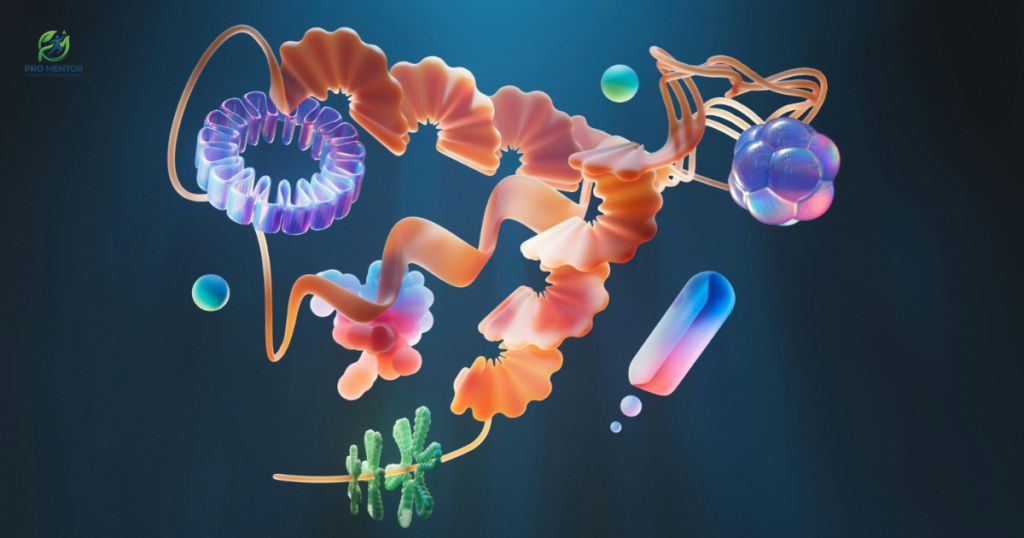
To answer whether you can stay on these injections indefinitely, we first have to change how we view weight. For decades, the medical community viewed obesity as a temporary state—a lack of discipline that could be “fixed” with a 12-week program. However, modern science increasingly views obesity as a chronic metabolic disease.
Much like high blood pressure or type 2 diabetes, the underlying biological “glitches”—such as insulin resistance or leptin signaling issues—don’t necessarily disappear just because the weight does.
When you look at it through this lens, the idea of a “forever” medication makes more sense. We don’t ask someone with hypothyroidism if they plan to stop their medication once their hormone levels are normal. Weight loss injections work similarly by mimicking hormones that regulate appetite and blood sugar. However, we must also consider the long term impact on the small intestine and large intestine. Because these medications slow down gastric emptying, they fundamentally change the environment of your digestive tract. For many, this shift can actually assist in reducing inflammation, but for others, it requires a careful focus on maintaining a healthy microbiome.
The Role of Gut Health and Inflammation

A major factor in metabolic success that often goes unmentioned in the injection conversation is gut health. We now know that chronic inflammation and leaky gut syndrome are closely linked to obesity. When a patient has leaky gut, the intestinallining becomes compromised, allowing toxins to trigger a systemic immune response. This immune response fuels weight gain and insulin resistance.

Weight loss injections may actually play a role in improving your gut health by reducing the intake of highly processed, inflammatory foods. By quietening “food noise,” patients often move away from the sugars and fats that cause gut inflammation. This transition provides a window of opportunity for natural gut healing and intestinal lining repair. If we can use the time on these medications to heal leaky gut naturally, the body becomes much more resilient, whether the patient stays on the medication or eventually chooses an exit strategy.
The Argument for Long-Term Use: Biological Stability
From a nutritional standpoint, staying on a maintenance dose can offer several benefits:
● Sustained Metabolic Health: By keeping blood sugar stable and reducing chronic inflammation associated with adipose tissue (fat), these injections can lower the risk of cardiovascular issues.
● Reduced “Yo-Yo” Dieting: The cycle of losing and gaining weight is incredibly taxing on the heart and the immune system. Consistent weight maintenance helps in maintaining a healthy baseline for the body’s internal organs.
● Improved Mental Health: The mental health benefits of feeling “normal” around food cannot be overstated. When the brain is no longer obsessed with the next meal, cortisol levels drop, reducing chronic stress which is a known trigger for leaky gut symptoms.
The Challenges of Staying on Injections Forever
While the “chronic disease” model supports long-term use, there are practical and physiological hurdles to address.
1. Nutritional Deficiencies and the Digestive Tract
Because these injections slow down the digestive tract, many users find it difficult to eat enough. If you stay on these medications forever without a plan, you risk chronic protein malnutrition. This lack of nutrients can stall intestinal lining repair. The small intestine needs specific amino acids and vitamins to maintain its integrity. Without them, you risk developing leaky gut even while losing weight.
2. Managing Pre-existing Conditions
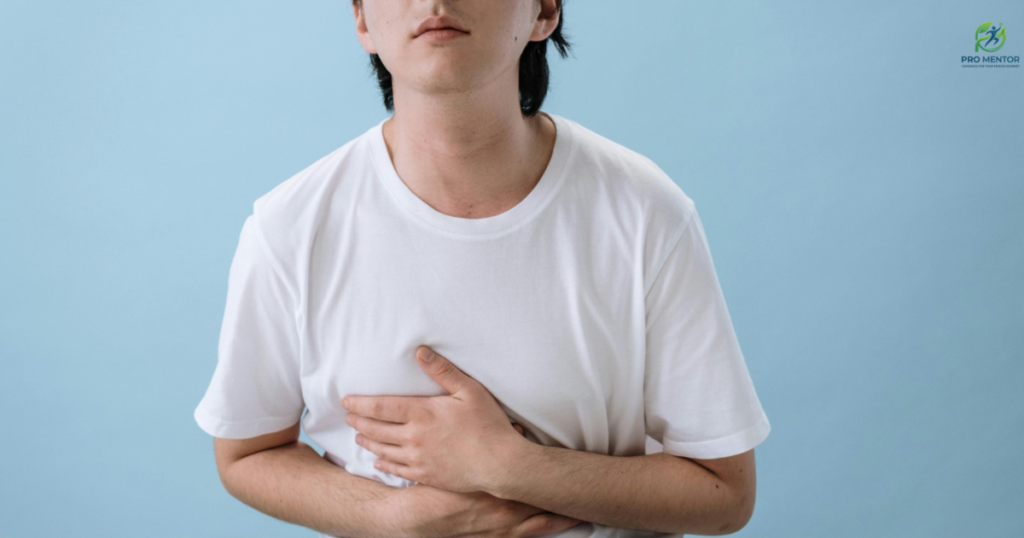
For those with irritable bowel syndrome (IBS), Crohn’s disease, or inflammatory bowel disease (IBD), these injections can be a double-edged sword. While weight loss canhelp with reducing inflammation, the slowed gastric emptying can sometimes aggravate leaky gut symptoms like bloating or nausea. It is vital to prioritize natural gut healing by incorporating fermented foods and high-quality fiber to keep the large intestine functioning optimally while on the medication.
3. Autoimmune Diseases and the Immune Response
Many patients with obesity also struggle with autoimmune diseases. Because 70% of the immune system is located in the gut, improving your gut health is essential for these individuals. Long-term use of injections must be paired with a diet that focuses on reducing inflammation to ensure the medication isn’t just masking deeper issues related to chronic stress and an overactive immune response.
The “Exit Strategy” vs. The “Maintenance Dose”

If you are currently using weight loss injections, you generally fall into one of two camps: you either want to use them as a “jumpstart” or you see them as a lifelong companion.
The Case for a Maintenance Dose
Many doctors are moving toward a “tapering” approach. This keeps the “food noise” at bay while allowing the patient to eat enough calories to support their muscle mass and intestinal lining. During this phase, focusing on leaky gut treatment through diet—such as adding bone broth and fermented foods—can ensure that the digestive tract remains strong.
The Case for an Exit Strategy
If you want to eventually come off the medication, you must build the foundation for gut health while you are still on the shot. This includes:
● Natural Gut Healing: Focus on foods that support intestinal lining repair.
● Reducing Chronic Stress: Use the “quiet brain” provided by the injection to implement lifestyle changes that protect your mental health.
● Maintaining a Healthy Microbiome: Eat a wide variety of plants to feed the bacteria in your large intestine.