



We live in a world of constant alertness. Alarms wake us, notifications flood us, traffic rushes us, and deadlines press us. Even if we feel we’re coping, our nervous systems may tell a different story. If you feel “wired but tired” or experience digestive issues and brain fog despite a strict keto diet, your nervous system might be stuck in a stress cycle.As a nutritionist, I meet clients who follow all nutritional guidelines—balance macros and supplement—but still see no progress. Why? They are locked in the sympathetic “fight or flight” response. When the body senses a threat, cellular repair and fat metabolism pause for survival.
To activate healing, reset your vagus nerve. The vagus nerve guides the parasympathetic nervous system and directs important “rest and digest” processes. A strong nerve helps you recover from stress quickly. A weak nerve leaves you feeling scattered and inflamed.
Below are five simple, science-backed exercises for a vagus nerve reset, each with its mechanisms and steps for integrating them into daily life. These methods help restore balance to your nervous system and support your general well-being.
1. The Cold Shock: A System Reboot
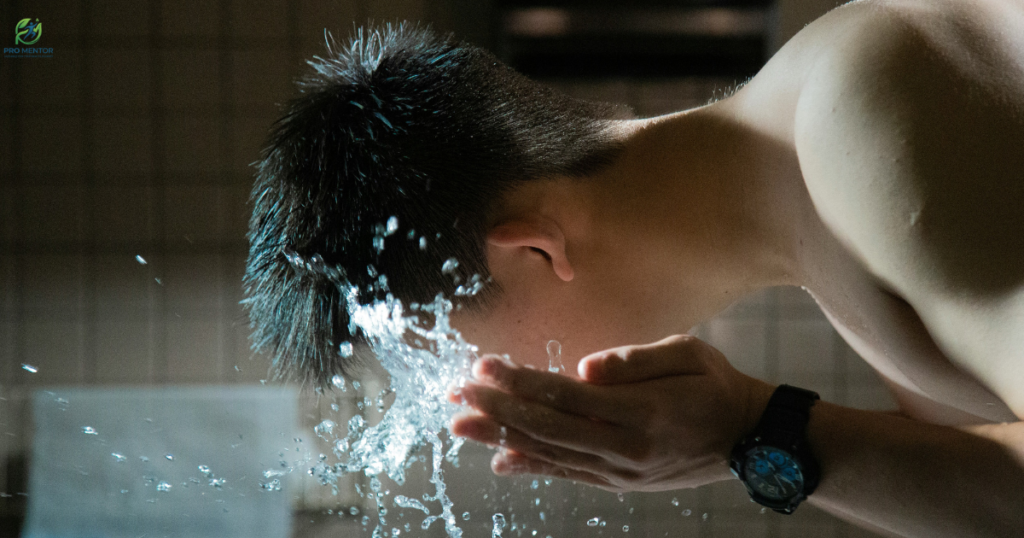
Cold exposure is a quick way to trigger a vagus nerve reset. It may seem daunting, but the biology is clear. When your face and neck come into contact with cold water, the “mammalian dive reflex” is triggered. This survival reflex slows your heart and constricts blood vessels to save oxygen for vital organs. The vagus nerve controls this shift. By engaging this reflex, you refresh your system. At home, try these steps:
· The Face Dunk: Fill a bowl with ice water and submerge your face for 15 to 30 seconds while holding your breath.
· The Vagus Compress: If the face dunk is too intense, take an ice pack or a cold soda can and hold it against the side of your neck, just below the jawline. This is where the vagus nerve is most accessible.
· The Finish: At the end of your usual warm shower, turn the handle to pure cold for the final 30 to 60 seconds. Focus on letting the water hit the back of your neck and chest.
2. The “4-7-8” Breath: Rhythmic Regulation
Most people breathe shallowly, sending signals of agitation to the brain. To reset the vagus nerve, breathe deeply using your diaphragm. The vagus nerve passes through the diaphragm, and deep breathing stimulates it. (Hunter et al., 2026) A long exhale slows the heart rate and cues the nerve to release acetylcholine, which calms the heart. (Bergland, 2024)
How to do it at home:
Inhale still through your nose for a count of 4.
Hold your breath for a count of 7.
Exhale fully through your mouth, making a “whoosh” sound, for a count of 8.
Repeat this cycle four times. Doing it twice a day—once in the morning and once before bed—can greatly shift your baseline stress levels.

3. Vocalization: Humming, Chanting, and Chuckling
Stimulating your nervous system can be simple. The vagus nerve connects to the pharynx, larynx, and throat muscles. Activities that vibrate the throat trigger a mechanical reset of the vagus nerve.
Chant, sing, or laugh to stimulate your throat and diaphragm. This provides effective vagal stimulation.
How to do it at home:
· Humming: Try humming while you do your chores. The “M” sound creates a vibration directly in the chest and throat.
· Gargling: Gargle vigorously with water for 30 seconds. This works the muscles in the back of your throat, giving your vagus nerve an effective workout.
· Singing: Don’t worry about being on key. Singing loudly in the shower or car is a legitimate therapeutic practice for nervous system health.
4. Auricular Stimulation: The “Ear Hack.”
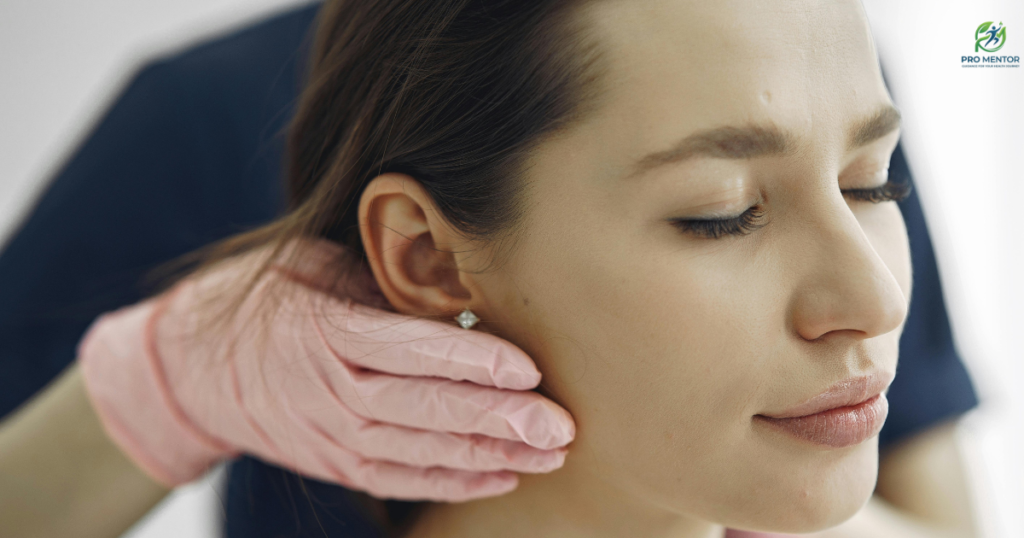
The ear gives direct access to a branch of the vagus nerve. The auricular branch supplies skin in the concha, the hollow next to the ear canal. (Anatomy, Head and Neck, Ear, 2023)
Clinicians sometimes use electrical stimulation for neurological issues. (Costello et al., 2023) At home, massage your ear to gently reset your vagus nerve.
How to do it at home:
· Place your index finger in the hollow part of your ear (the concha).
· Use gentle, circular motions to massage the skin for about two minutes.
· You might feel a sudden urge to yawn, sigh, or swallow—these are all “release” signs that your parasympathetic nervous system has successfully kicked in.
· You can also gently pull your earlobes down and away from your head to create a subtle stretch in the ear canal.
5. Gut-Brain Optimization: The Nutritionist’s Secret
Addressing the vagus nerve means addressing the gut. Up to 90% of vagus nerve fibers are sensory, carrying information from the body to the brain. (Vagus Nerve Anatomy: Overview, Gross Anatomy, Microscopic Anatomy, 2024) The gut sends most of these signals and forms a feedback loop with the brain. Cleaning up these signals is key to a reset.

How to do it at home:
· Prioritize Probiotics: Foods like sugar-free yogurt, kefir, and sauerkraut provide beneficial bacteria that produce “calming” neurotransmitters, such as GABA.
· Fiber and the Keto Diet: If you are on a keto diet, ensure you are getting enough fiber from non-starchy vegetables. Fiber is fermented by gut bacteria into short-chain fatty acids (SCFAs), which have been shown to improve vagal signaling. (Dalile et al., 2019)
· Intermittent Fasting: Giving your digestive system a break for 16 hours allows the “migrating motor complex” (controlled by the vagus nerve) to move through the gut and clean things out, reducing the “noise” the nerve has to report to the brain.