



In the fitness industry, there is a pervasive and common misconception that you need a monthly membership, rows of expensive machines, and a specialized locker room to see real changes in your physique. As a trainer who has helped hundreds of clientsachieve their goals right in their living rooms, I can tell you that the most important”equipment” you own is your mindset and your kitchen. Transforming your body is not about the heavy iron you lift, but the consistency of your habits and the health of your internal systems.Learning the ropes of weight loss at home is actually the most sustainable way to get fit.
It removes the commute, the “gym-timidation,” and the excuses that often derail even the best intentions. When your home becomes your health hub, fitness ceases to be an appointment and starts to become a lifestyle. However, we must recognize that a physical transformation is deeply tied to our internal biology. To truly succeed, we hav to look at the role of the digestive tract and how improving your gut health can accelerate your results. Here is how we make that transition effectively, naturally, and permanently.
1. Creating a High-Metabolism Environment
Your environment dictates your behavior. If you want to master weight loss at home, you have to set your house up for success. This starts with the “out of sight, out of mind” rule. Many people fail because their environment is constantly triggering an immune response through poor dietary choices.
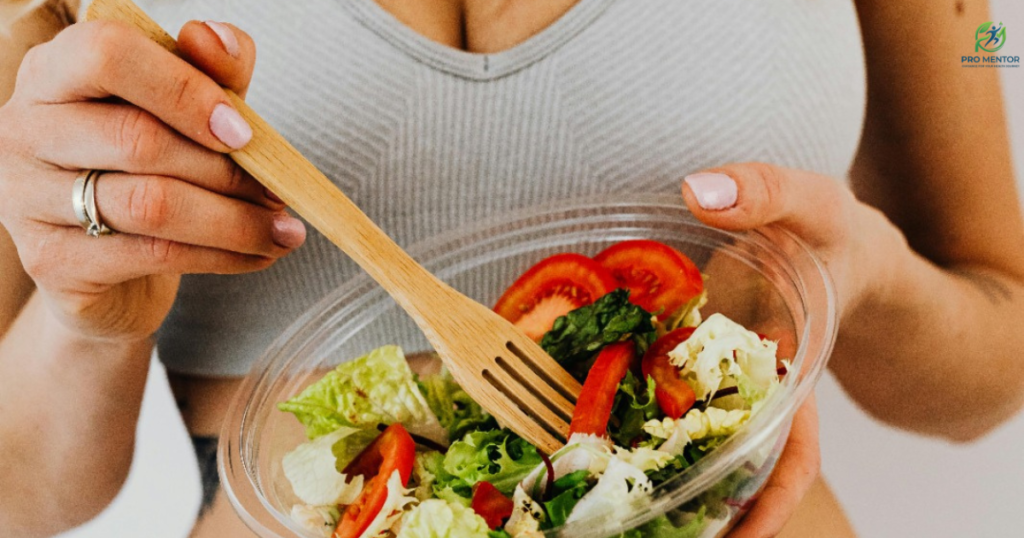
The Kitchen Audit: Clean out highly processed snacks and “trigger foods” that cause gut inflammation. Replace them with bowls of fruit, pre-cut vegetables, and jars of nuts. If you have to work for a snack, you’re less likely to eat it out of boredom. The Visual Trigger: Keep your yoga mat unrolled or your dumbbells within reach of the TV. These visual cues serve as a constant, gentle nudge to move.
The Water Station: Keep a large, reusable water bottle at your desk or on the coffee table. Thirst is often mistaken for hunger, especially when you are at home near the pantry. Staying hydrated is also a simple form of leaky gut treatment, as water is essential for the mucosal lining of the small intestine.
2. Bodyweight Strength: Your In-Home Engine
You don’t need a 500lb barbell to build muscle. Your body weight provides plenty of resistance to stimulate the “afterburn effect” we discussed earlier. Strength training is the foundation of weight loss at home because it prevents the metabolic slowdown that usually happens when you start cutting calories. Furthermore, maintaining a healthy muscle mass is linked to a stronger immune system.
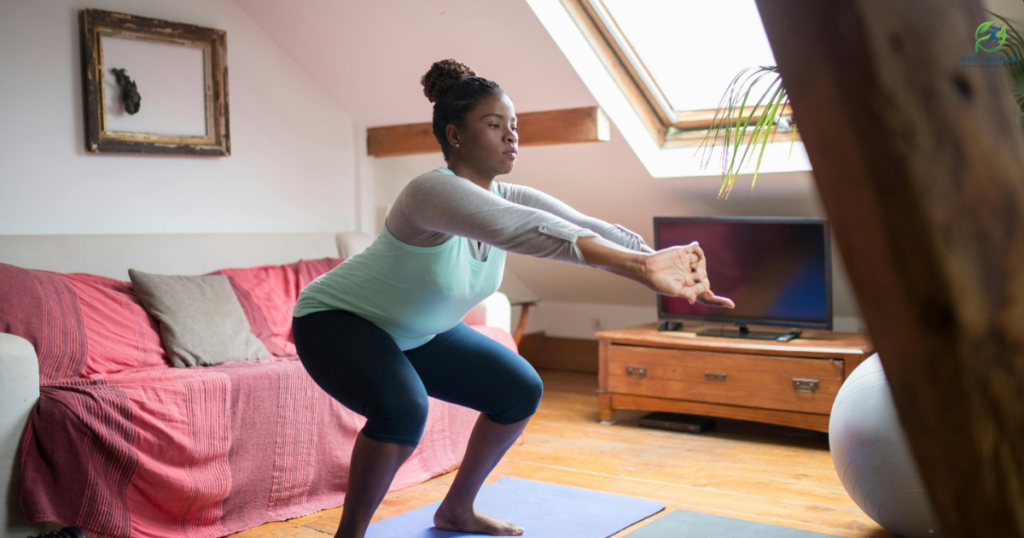
The Home-Base Exercises:
1. Air Squats: The king of lower body movements. Focus on keeping your chest up and sitting back into your heels. This engages the large intestine area by increasing intra-abdominal pressure, which can actually aid in regular digestion.
2. Incline Push-Ups: If a floor push-up is too hard, use the edge of a sturdy sofa or kitchen counter. This targets the chest and triceps.
3. Glute Bridges: Lying on your back, lift your hips toward the ceiling. This activates the glutes—the largest muscle group in your body—and helps stabilize the pelvis without needing any equipment.
3. Passive Caloric Expenditure: The Metabolic Impact of Movement
While formal workouts are important, a massive portion of your daily energy burn comes from NEAT (Non-Exercise Activity Thermogenesis). This encompasses every calorie used for daily functions like standing, fidgeting, and walking around your house. Maximizing this “hidden” energy burn is often the difference between a plateau and progress.Furthermore, moving throughout the day helps combat chronic stress, which is a primary driver of leaky gut syndrome. When you are stressed, your body diverts blood away from the digestive tract, which can weaken the intestinal lining.
How to Boost Movement at Home:
Pace While You Talk: Never take a phone call sitting down. Walk around the house; those extra steps add up to miles over a week.
The “Commercial Break” Challenge: Every time a show goes to a break (or a video finishes loading), do 10 lunges or a 30-second plank.
Deep Cleaning: Scrubbing floors or vacuuming is a legitimate calorie burner that doubles as a productivity win and helps clear your mental health by organizing your space.
4. Nutritional Pillars for the Home Cook
When you eat out, you lose control over oils, salts, and sugars. When you focus on weight loss at home, you are the executive chef. This is your greatest advantage for natural gut healing.
The Plate Method: Instead of counting every single calorie, use your plate as a guide. Fill half your plate with non-starchy vegetables to provide the fiber necessary for the large intestine to thrive. One-quarter should be lean protein, and one-quarter complex carbs.
Heal Leaky Gut Naturally: Focus on reducing inflammation. Incorporate fermented foods like sauerkraut, kimchi, or kefir into your daily routine. These foods introduce beneficial bacteria that help repair the intestinal lining.
Combatting Chronic Inflammation: Diets high in sugar can lead to chronic inflammation, which is a hallmark of autoimmune diseases and inflammatory bowel disease (IBD). By cooking at home, you bypass these hidden inflammatory agents.
5. Mastering High-Intensity “Living Room” Cardio
You don’t need to own bulky cardiovascular equipment to elevate your heart rate into an optimal fat-burning range. High-intensity bodyweight movements can spike your metabolic rate much more effectively than a monotonous walk on a machine. This also has a profound impact on your mental health by reducing cortisol levels over the long term.
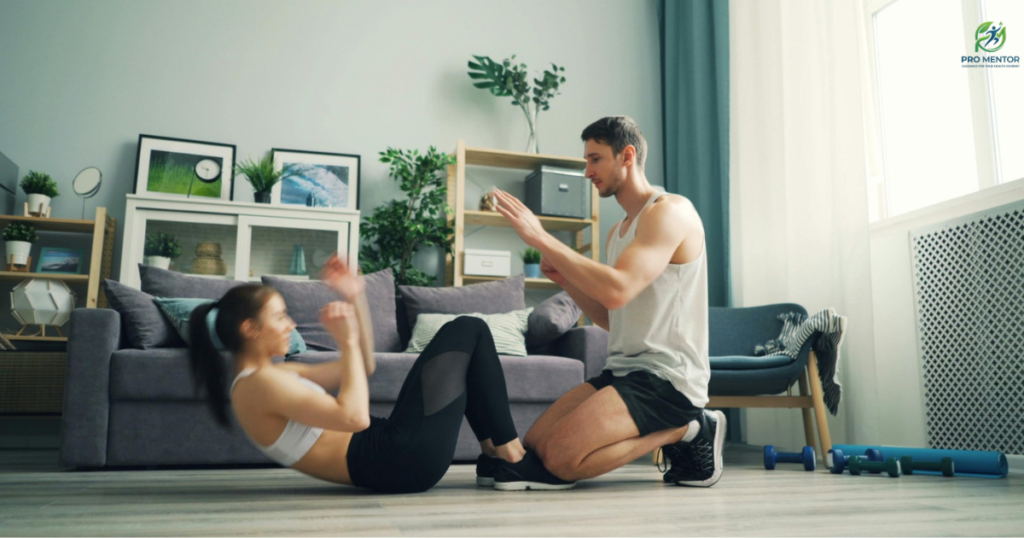
The “5×5” Home Circuit: Do each move for 40 seconds, followed by 20 seconds of rest. Repeat the whole circuit 5 times.
1. Mountain Climbers: Great for core strength and cardiovascular endurance.
2. High Knees: Running in place with intention.
3. Shadow Boxing: A fantastic way to burn calories and relieve stress.
4. Burpees: The ultimate full-body fat burner.
5. Plank Taps: While in a plank, tap your opposite shoulder to engage the core and stabilize the intestinal lining area.
6. Advancing Beyond the “Home Plateau”
One of the primary risks of exercising in a domestic setting is that your intensity can easily stagnate. Once your body adapts to a specific movement, the metabolic demand drops. To ensure your at-home weight loss remains consistent, you must implement the principle of “Progressive Overload.”
This process isn’t limited to simply picking up heavier objects; it is about finding creative ways to increase the difficulty of your current routine. You can achieve this through several intensity multipliers:
Mechanical Disadvantage: Alter your body positioning to make a move harder—for example, elevating your feet during a push-up.Tempo Manipulation: Instead of rushing through reps, count to four on the way down. This increases “Time Under Tension” and forces the muscles to work harder.
Density Training: Attempt to complete the same number of sets in a shorter window of time, thereby reducing your recovery periods.
Isometric Pauses: Holding the bottom of a squat for three seconds eliminates momentum.
7. The Role of Gut Health in Weight Loss
We cannot talk about weight loss without addressing leaky gut symptoms. If you feel bloated, fatigued, or have brain fog, you might be dealing with leaky gut. This condition occurs when the intestinal lining becomes too permeable, allowing toxins to trigger an immune response. When your immune system is constantly fighting these “invaders,” it causes chronic inflammation, which makes it incredibly difficult for the body to burn fat efficiently.
Whether you are dealing with irritable bowel syndrome (IBS) or Crohn’s disease, the principles of improving your gut health remain the same: reduce stress, eat whole foods, and prioritize intestinal lining repair. By addressing these issues, you aren’t just losing weight; you are protecting yourself from autoimmune diseases and ensuring your long-term health.
Consistency Over Intensity
A total body transformation doesn’t happen overnight. You didn’t gain the weight in a day, and you won’t reach your goal in a day. However, your nervous system and digestive tract are incredibly adaptive. When you provide the right signals through movement and nutrition, your body starts to trust that it can release stored energy.
Stop trying to fight your body and start changing the environment it lives in. By focusing on reducing inflammation and maintaining a healthy lifestyle, the “electric” feeling of stress fades, and your natural energy returns. Your home is the perfect place to start this journey. With a focus on gut health and consistent movement, you can achieve a level of fitness you never thought possible without ever setting foot in a gym.