



We’ve all heard the phrase “trust your gut,” but usually, we treat it as a metaphor for intuition. We don’t realize how literal that advice actually is. Have you ever noticed how a period of high stress is almost always followed by a digestive “rebellion”? Or how, on the days when you feel most bloated and sluggish, your outlook on life seems significantly darker?
For decades, we’ve looked at the brain as the lone commander-in-chief of our emotions.If we felt sad, we assumed the problem was strictly “upstairs.” But modern science is uncovering a much more complex reality: the gut and the brain are locked in a 24/7 conversation, and quite often, it’s the stomach that’s doing most of the talking. If you’ve been feeling a persistent cloud of “the blues” or a lack of motivation, the root cause might be sitting right in your digestive tract.
The Highway Between Your Ears and Your Belly
Your gut contains a massive network of neurons—over 100 million of them, to be exact. It’s so complex that researchers have nicknamed it the “Second Brain.” This isn’t just a system for breaking down a taco; it’s a sensory organ that monitors everything from the nutrients in your food to the presence of harmful bacteria.
The primary connection between these two “brains” is the vagus nerve. Think of this as a high-speed fiber-optic cable. While we used to think the brain used this cable to send orders to the stomach, we now know that about 80% to 90% of the information is actually traveling upward. Your gut is constantly sending status reports to your head. If the gut environment is chaotic, the brain receives a “distress signal,” which we often experience as anxiety, irritability, or a low mood. This connection is why mental health is inextricably linked to the physical state of your intestinal lining.
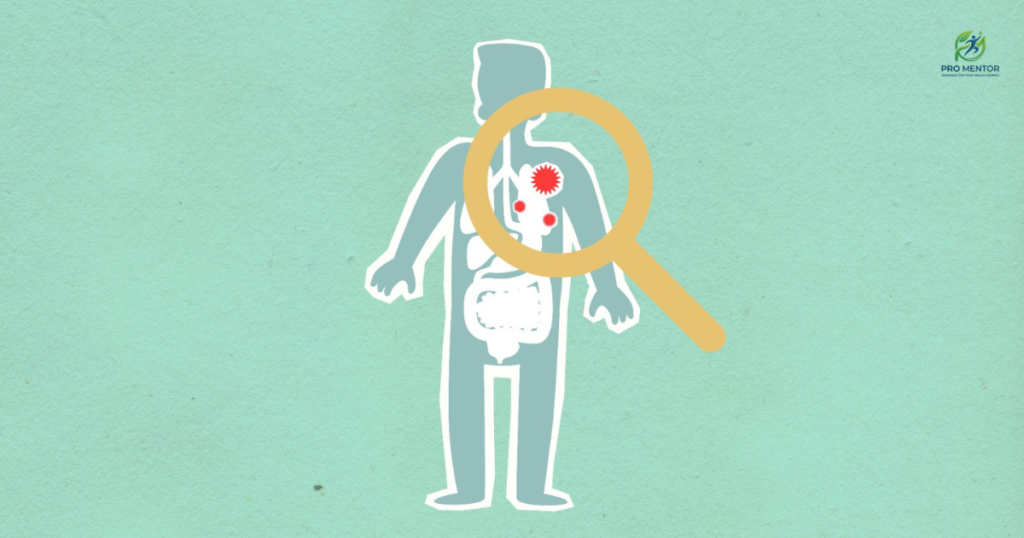
Why a “Lumpy” Stomach Leads to a “Heavy” Mind
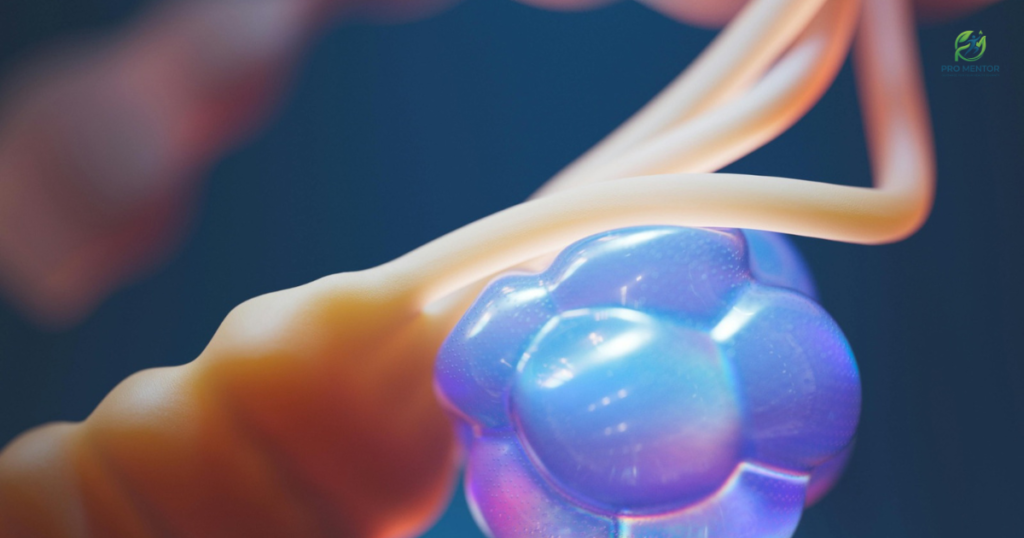
The link between your gut and your happiness isn’t just about nerves; it’s about chemistry. We usually associate serotonin—the “feel-good” neurotransmitter—with the brain. However, a staggering 95% of your body’s serotonin is actually produced in the gut. This production is managed by trillions of microbes that live in your digestive system. When these bacteria are healthy and diverse, the “happiness factory” runs efficiently.
But when the balance is thrown off—due to a diet of ultra-processed foods, chronic lack of sleep, or chronic stress—the factory slows down. This imbalance often leads to leakygut syndrome, where the barrier between your gut and your bloodstream becomes porous.
When your gut is struggling, it triggers three specific responses that can dampen your mood:
● The Inflammatory Signal: An irritated gut sends out inflammatory markers. These markers can cross into the brain and interfere with the areas that manage reward and motivation. This is why you might feel like you “just can’t get started” on a bad gut day.
● The Nutrient Gap: If your intestinal lining is compromised, you aren’t absorbing the B vitamins, magnesium, and zinc that your brain needs to maintain a stable mood. This is a common issue in leaky gut, where the intestinal lining repair mechanisms are failing.
● The Stress Hormone Loop: A stressed gut signals the adrenals to release more cortisol. High cortisol levels can keep you in a state of hyper-vigilance, making it impossible to feel truly relaxed.
The Impact of Leaky Gut Syndrome on the Mind
To understand why your mood might be dipping, we have to look at leaky gut syndrome more closely. In a healthy body, the intestinal lining acts as a strict gatekeeper, deciding what nutrients enter the blood and what waste stays out. When you experience leaky gut, this gatekeeper falls asleep on the job.
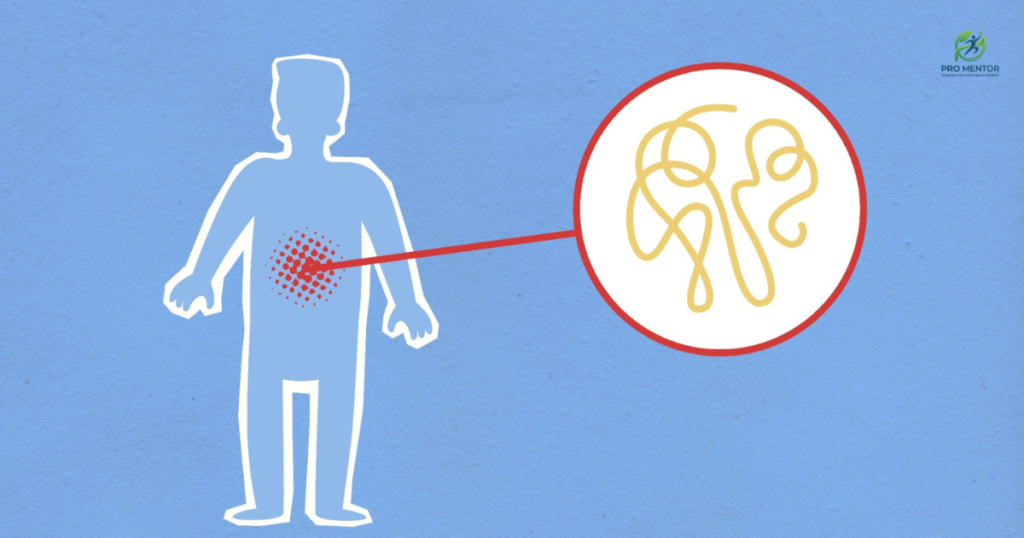
As toxins and undigested food particles escape the small intestine, the immune system views them as foreign invaders. This triggers an immediate immune response, leading to chronic inflammation throughout the body. This inflammation doesn’t stay in your stomach; it travels to the brain, where it can contribute to the symptoms of depression and anxiety. Therefore, improving your gut health isn’t just about fixing a stomach ache—it’s a vital leaky gut treatment for your brain.
How Chronic Inflammation Play a Role in Mood
It is a scientific fact that chronic inflammation can lead to “sickness behavior.” Think about how you feel when you have the flu: you’re tired, you don’t want to see anyone, and you lose interest in your hobbies. Gut inflammation creates a low-level version of this feeling every single day. If you are dealing with leaky gut symptoms like brain fog and fatigue, your body is essentially stuck in a loop of immune response that drains your energy.This is even more pronounced for those with autoimmune diseases, Crohn’s disease, or inflammatory bowel disease (IBD). In these cases, the immune system is constantly attacking the digestive tract, leading to high levels of chronic inflammation. Over the long term, this can significantly erode your mental health.
Natural Gut Healing: Shifting the Internal Narrative
The good news is that your gut microbiome is incredibly responsive. You aren’t stuck with the “blues” forever if your digestive health is the cause. You can start changing the conversation between your belly and your brain by focusing on a few foundational shifts in how you treat your system to heal leaky gut naturally.
Diversity is the Key to Resilience
Imagine your gut as a garden. A garden with only one type of plant is fragile; a garden with hundreds of species is resilient. The best way to “feed” a happy mood is to eat a wide variety of plants. Different fibers feed different bacteria in the large intestine, each of which produces different beneficial compounds for your brain. Try to challenge yourself to eat 30 different plant-based items—fruits, veggies, nuts, seeds, and herbs—over the course of a week to assist in maintaining a healthy microbiome.
Embracing Fermented Foods
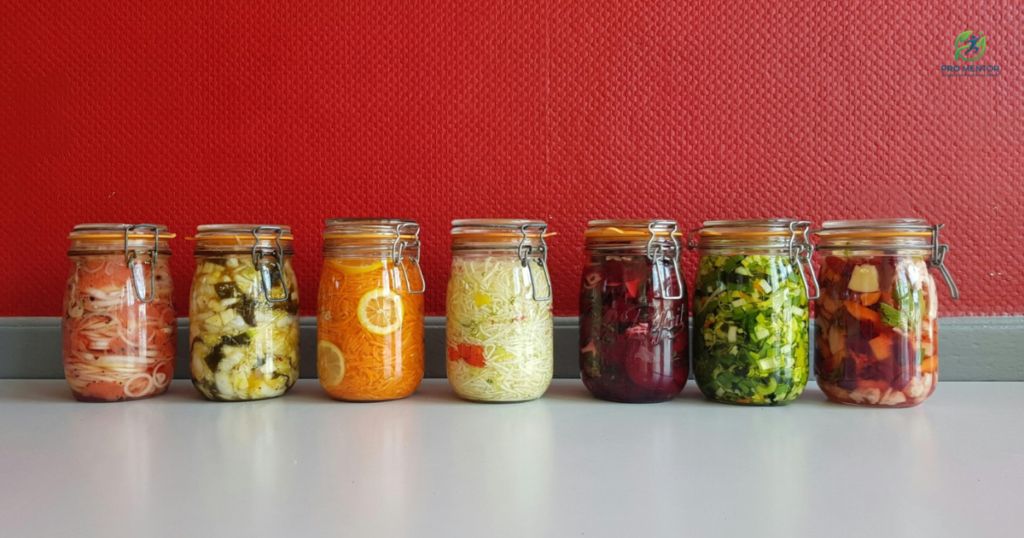
To heal leaky gut naturally, you must introduce beneficial bacteria. Fermented foods are essentially “probiotic powerhouses.” Adding things like unpasteurized sauerkraut, kimchi, or plain kefir to your meals introduces live beneficial bacteria directly into the system. These microbes act like a peaceful peacekeeping force, reducing inflammation that can lead to a low mood. This is a primary component of any natural gut healing strategy.
Intestinal Lining Repair Through Lifestyle
Intestinal lining repair doesn’t happen in a vacuum. It requires a state of “rest and digest.” If you live a life of chronic stress, your body never prioritizes fixing the intestinal lining. To support gut health, you must address the chronic stress that keeps your immune response in overdrive.
One of the best ways to support natural gut healing is to respect your eating window. If you eat while you are standing up, scrolling through your phone, or feeling rushed, your body stays in “fight or flight” mode. This shuts down the blood flow to the digestive tract, preventing proper digestion and causing the very irritation that leads to brain fog and leaky gut symptoms.
Managing Conditions like IBS and IBD
For those with irritable bowel syndrome (IBS) or inflammatory bowel disease (IBD), the gut-brain connection is often a source of significant pain. These conditions aren’t just physical; they are deeply tied to the nervous system. By focusing on reducing inflammation and improving your gut health, patients often find that their mental health improves alongside their physical symptoms. Leaky gut treatment in these cases involves a gentle approach to fiber and a heavy focus on soothing fermented foods and anti-inflammatory nutrients.
A New Way to Look at Mental Health
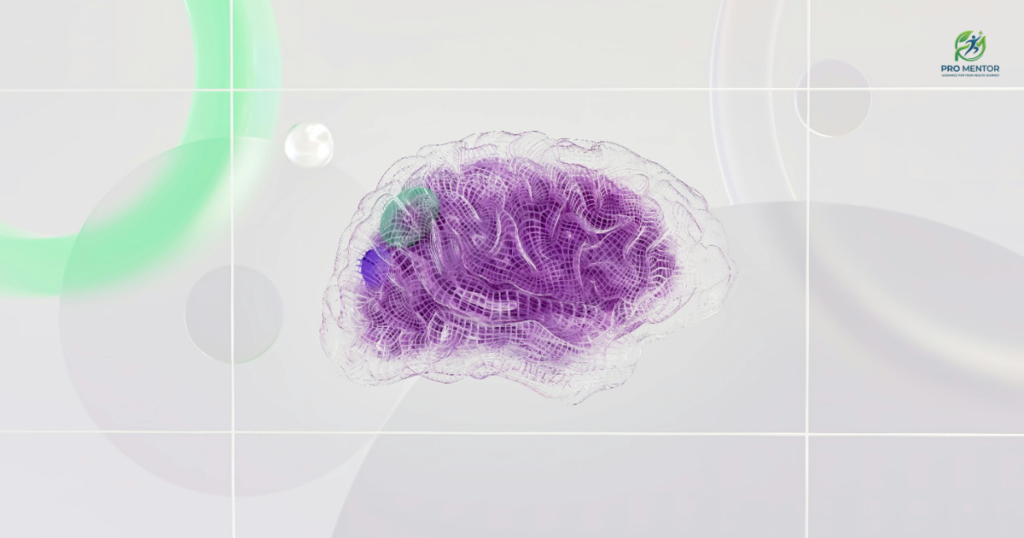
We are moving away from the idea that the mind is a separate entity from the body. Youcannot have a healthy, vibrant mind if the gut is in a state of constant war. By shifting your focus toward nourishing your “second brain,” you aren’t just improving your digestion—you are providing your mind with the biological foundation it needs to feel joy, focus, and peace.
Whether you are trying to heal leaky gut naturally or managing a complex condition likeCrohn’s disease, the goal is the same: reducing inflammation and maintaining a healthy barrier in the small intestine. This protects your immune system from unnecessary work and allows your brain to focus on its actual job: keeping you happy and motivated.